Amazon Mechanical Turk to Cease New Customer Onboarding by July 2026 Amid AI Advancements
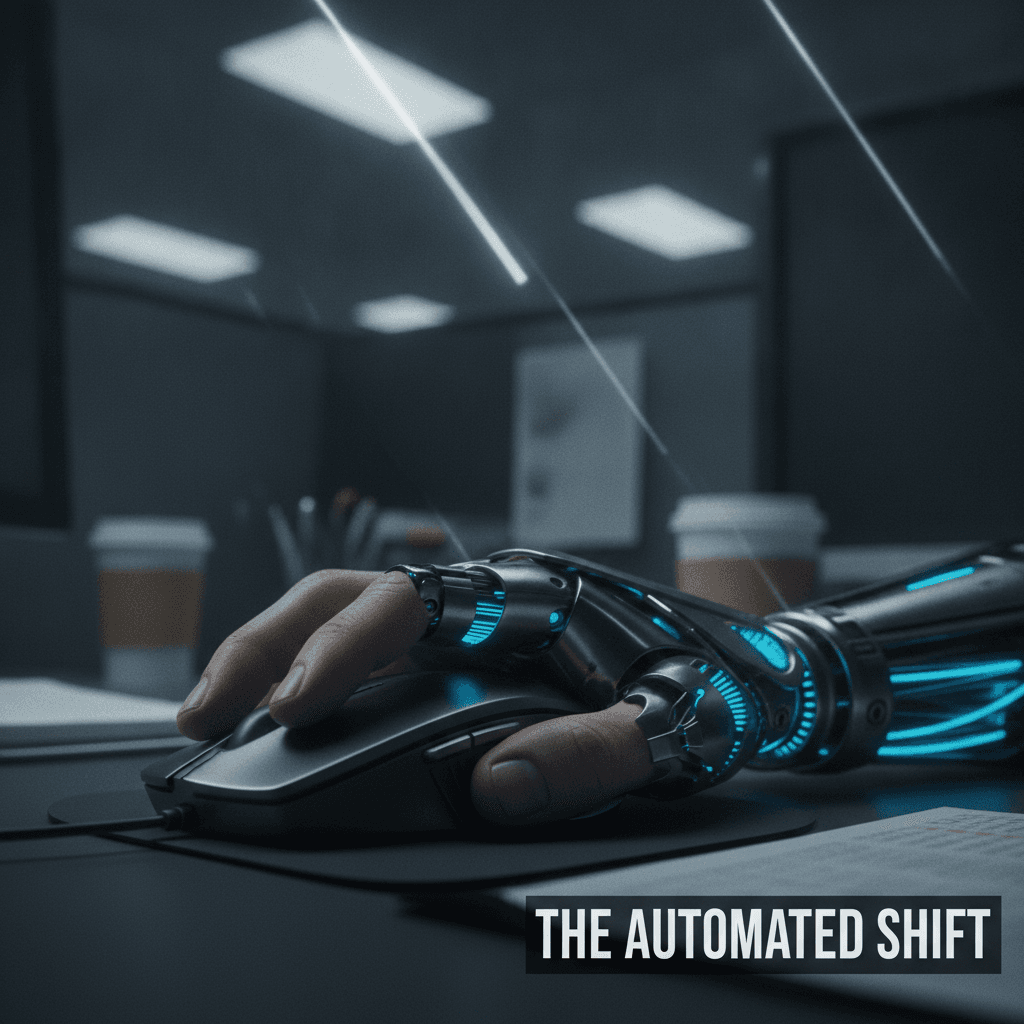
Amazon announced that its pioneering Mechanical Turk crowdsourcing platform will stop accepting new customers on July 30, 2026, marking the end of an era for the service launched in 2005. This decision reflects a broader industry shift where advanced AI models are increasingly performing tasks previously handled by human micro-task marketplaces. For broader context, explore our AI News.
The Evolution of Mechanical Turk
Launched in 2005, Amazon's Mechanical Turk pioneered the concept of a crowdsourcing marketplace, enabling businesses to distribute small, repetitive tasks to a global workforce. The platform's name itself is a historical reference to an 18th-century chess-playing automaton that famously concealed a human operator. This historical context highlights the platform's original premise: leveraging human intelligence for tasks that computers of the time could not perform.
Over its operational lifespan, Mechanical Turk facilitated a wide range of tasks, from data validation and content moderation to image tagging and transcription. However, the technological landscape has evolved considerably since its inception.
AI's Impact on Crowdsourcing
The rise of advanced artificial intelligence models has fundamentally altered the economic viability of human-powered micro-task marketplaces. A 2023 analysis revealed that between 33% and 46% of workers on Mechanical Turk were already employing AI to complete their assigned tasks. This trend underscores a broader shift where AI is increasingly capable of performing tasks that once exclusively required human input.
In 2018, Amazon repositioned Mechanical Turk as a data labeling tool, integrating it with its SageMaker AI service. This strategic move aimed to align the platform with the growing demand for high-quality training data essential for developing and refining AI models. However, even this specialized niche has been impacted by rapid advancements in AI, particularly in synthetic data generation and the enhanced capabilities of modern AI models, which can now automate many data labeling processes.
Future Implications for Existing Users
For current users, Mechanical Turk will remain operational, allowing them to continue their existing workflows. However, the absence of planned new features suggests a sunsetting phase for the platform. This decision by Amazon reflects a broader industry trend where the utility of human-centric crowdsourcing for basic data tasks is diminishing as AI technologies mature.
The discontinuation of new customer onboarding for Mechanical Turk by July 2026 signals a recognition by Amazon that the foundational premise of the service has been largely superseded by technological progress. The platform, once a cornerstone of the gig economy for micro-tasks, is now navigating a landscape where AI can replicate or even surpass human performance in many of its core functions.
Conclusion
Amazon's decision to stop accepting new customers for Mechanical Turk by July 30, 2026, marks the end of an era for a pioneering crowdsourcing platform. This move highlights the significant impact of advanced AI models on tasks traditionally performed by humans, particularly in data labeling and micro-task completion. While existing users can continue to operate on the platform, the lack of future feature development indicates a strategic shift by Amazon towards more AI-centric solutions within its broader Amazon Web Services ecosystem.
Sources
Recommended AI tools

OpenClaw AI Agent
Productivity & Collaboration
The AI that actually does things.

n8n
Productivity & Collaboration
Open-source workflow automation with native AI

GitHub Copilot
Code Assistance
Your AI pair programmer and autonomous coding agent

Notion AI
Productivity & Collaboration
The all-in-one AI workspace that takes notes, searches apps, and builds workflows where you work.

Lovable
Code Assistance
Build full-stack apps from plain English

Adobe Express
Design
Bring ideas to life faster with AI | Adobe Express
Was this article helpful?
Found outdated info or have suggestions? Send us a note.