Apple's M7 Ultra Chip: A Shift from Self-Driving Cars to Server-Grade AI
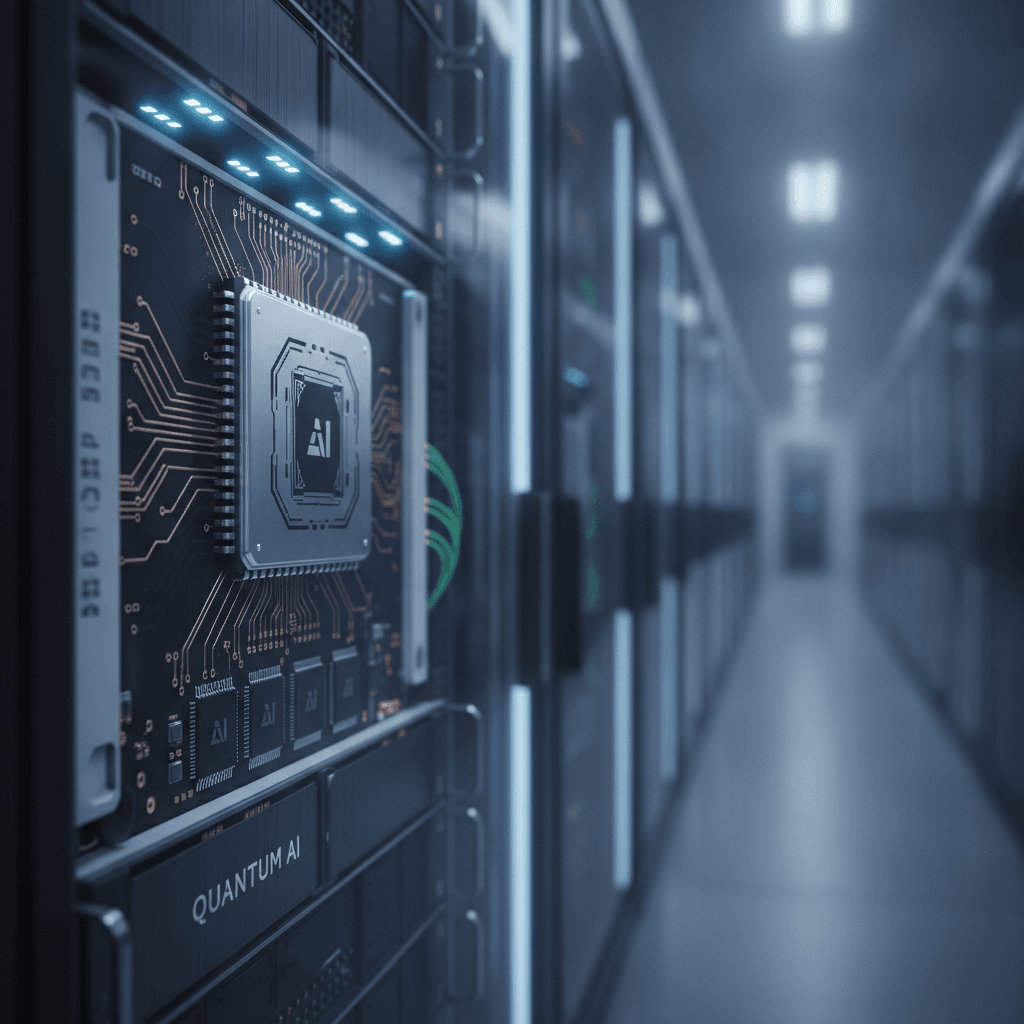
Apple's canceled self-driving car project, Project Titan, has directly fueled the development of its powerful on-device AI processing hardware, culminating in the M7 chip family with major Neural Engine upgrades expected in the first half of 2027. This strategy includes the M7 Ultra, designed to support up to 1.5TB of unified memory as the foundation for a new Apple server product. For broader context, explore our Top 100 AI Tools.
Project Titan's Unexpected Legacy: On-Device AI
The cancellation of Project Titan, Apple's ambitious self-driving car program, has had a significant, if indirect, impact on the company's AI hardware strategy. Resources and expertise initially dedicated to autonomous vehicle technology, particularly in on-device processing, have been reallocated. This shift has accelerated the development of Apple's Neural Engine, a specialized component designed for AI workloads.
The Neural Engine first appeared in 2017 with the A11 Bionic chip in the iPhone X. Since its introduction, it has become a core element of Apple's silicon, powering features such as Face ID and the recently announced Apple Intelligence. This vertical integration of hardware and software allows Apple to execute complex AI tasks directly on devices like Macs and iPhones, offering enhanced privacy compared to cloud-based solutions.
Accelerating the M7 Family Development
Reports from Bloomberg's Mark Gurman indicate that Apple is adjusting its typical release schedule for Mac silicon. The company is reportedly bypassing the Pro, Max, and Ultra variants of its upcoming M6 chip. This decision aims to expedite the development and release of the M7 chip family, which is projected to arrive in the first half of 2027. The M7 generation is expected to feature substantial upgrades to the Neural Engine, reflecting Apple's intensified focus on AI capabilities.
M7 Ultra: A Foundation for New Server Products
A key development within the M7 family is the M7 Ultra, which is reportedly being engineered as the core component for a new Apple server product. This variant is designed to support up to 1.5TB of unified memory, a specification typically associated with high-performance computing and server environments. This move suggests Apple may be developing its own AI cloud infrastructure, potentially competing with established providers like Microsoft, Google, and Nvidia, which currently dominate the AI hardware and cloud service markets.
The M7 Ultra's design for server applications underscores Apple's commitment to scaling its AI capabilities beyond consumer devices. By leveraging its custom silicon for server-grade applications, Apple could enhance its ability to process large-scale AI workloads, potentially offering new services or improving existing ones that rely on extensive computational power.
Strategic Implications for Apple's AI Future
Apple's strategy of developing powerful, vertically integrated chips provides a distinct advantage in the competitive AI landscape. By controlling both the hardware and software, the company can optimize performance and ensure stronger privacy for on-device AI operations. The pivot towards server-grade chips with the M7 Ultra indicates a broader ambition to extend this advantage into the realm of artificial intelligence news infrastructure.
This shift could position Apple to offer more robust and private AI experiences across its ecosystem, from individual devices to potential new cloud services. The focus on the Neural Engine and the acceleration of the M7 family highlight Apple's long-term commitment to AI as a central pillar of its product development.
Conclusion
The cancellation of Project Titan has inadvertently reshaped Apple's AI hardware roadmap, leading to an accelerated focus on the M7 chip family and the development of the server-grade M7 Ultra. With major Neural Engine upgrades anticipated by the first half of 2027 and support for up to 1.5TB of unified memory, the M7 Ultra could form the backbone of Apple's future AI infrastructure. This strategic direction positions Apple to deepen its integration of AI across its product lines and potentially expand its presence in the broader AI services market.
Sources
- https://www.theverge.com/tech/964519/apple-silicon-self-driving-car-ai-m7-ultra
- Apple’s most powerful Macs might be waiting until 2027 for big chip upgrades | The Verge
- Apple reportedly testing Intel-beating high core count Apple Silicon chips for high-end Macs | TechCrunch
- Apple’s chips are on the table | The Verge
Recommended AI tools

Universe Website Builder
Design
Design Custom Sites with No Code

Deep Live Cam
Image Generation
Seamless real-time face swapping for your live streams and videos with AI

Elephas
Productivity & Collaboration
Your Personal AI Knowledge Assistant for Mac and iPhone

MyCoach Ai
Productivity & Collaboration
All-in-one AI-powered coaching for fitness, nutrition, and client success

SHRED
Productivity & Collaboration
Elite Training Plans, Personalized by AI

Mailbutler
Productivity & Collaboration
Your inbox, smarter.
Was this article helpful?
Found outdated info or have suggestions? Send us a note.