Microsoft Unveils Majorana 2 Quantum Chip: 1,000x Reliability Boost and 2029 Quantum Computing Goal
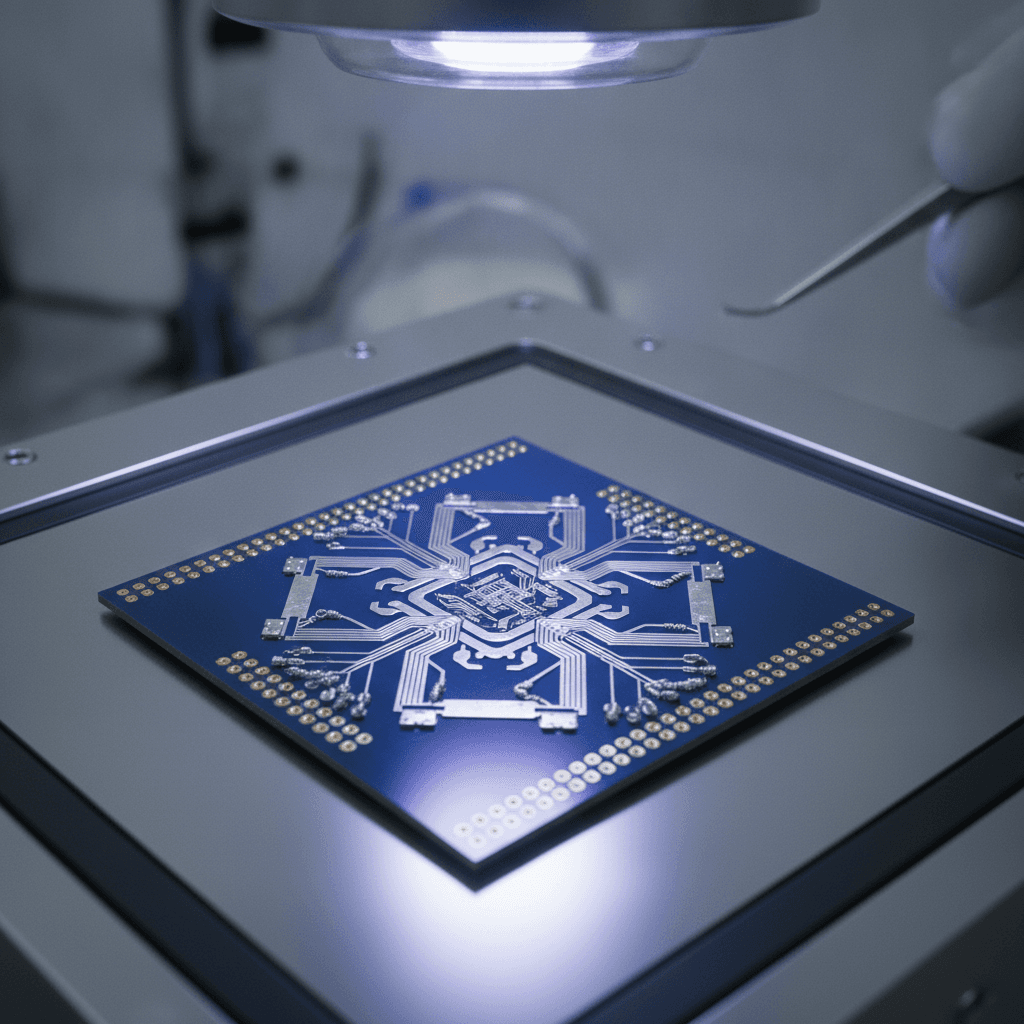
Microsoft unveiled its Majorana 2 quantum chip on July 7, 2026, featuring a 1,000-fold increase in qubit reliability and a new lead-based material stack. This next-generation topological chip, engineered with Microsoft Discovery's agentic AI, accelerates the company's timeline for a scalable quantum computer to 2029.
Majorana 2: Advancing Quantum Reliability
The Majorana 2 quantum processor represents a substantial leap in qubit stability. Its qubits demonstrate a mean lifetime of 20 seconds, with some instances reaching up to one minute. This marks a 1,000-fold improvement in reliability over Microsoft's first-generation quantum processing unit, Majorana 1. The enhanced stability is critical for performing complex quantum operations, which now occur on the microsecond scale.
Reworked Materials Stack for Enhanced Performance
A key factor in Majorana 2's improved performance is its redesigned materials stack. Microsoft engineers replaced aluminum with lead in the chip's construction. This material change is central to creating the highly reliable topological qubits that define the Majorana 2 architecture, enabling more stable quantum states and operations.
Accelerated Quantum Computing Roadmap
With the introduction of Majorana 2, Microsoft has updated its timeline for delivering a scalable quantum computer. The company now projects that a commercially useful quantum machine will be available by 2029. This revised estimate cuts Microsoft's initial projection by half, indicating accelerated progress in its quantum computing initiatives.
Agentic AI's Role in Quantum Hardware Design
The engineering process for Majorana 2 significantly benefited from Microsoft Discovery, an agentic AI platform. Discovery's capabilities were applied across various stages, including automating workflows, fine-tuning fabrication processes, conducting automated measurements, and generating design solutions for the new quantum hardware. This integration highlights the growing role of artificial intelligence news in advanced scientific and engineering endeavors.
Microsoft Discovery Now Generally Available
Alongside the Majorana 2 announcement, Microsoft also confirmed the general availability of Microsoft Discovery. This agentic AI platform is now accessible to a broader audience and includes a free desktop application. Early adopters, such as Syensqo, are already utilizing Discovery for research and development in semiconductor manufacturing, demonstrating its practical applications beyond quantum computing.
Conclusion
Microsoft's introduction of the Majorana 2 quantum chip, with its significantly enhanced reliability and lead-based material stack, marks a notable step in quantum computing development. The strategic use of Microsoft Discovery's agentic AI in its engineering underscores a new approach to complex hardware design. The revised target of a scalable quantum computer by 2029 signals Microsoft's accelerated commitment to the field, setting a new benchmark for future advancements.
Sources
- https://azure.microsoft.com/en-us/solutions/discovery
- Build26-news/news.md at main · microsoft/Build26-news · GitHub
- Microsoft Build 2026: Be yourself at work
- Microsoft’s next-gen quantum chip cuts timeline to useful quantum computing | The Verge
- Microsoft Build 2026: All the news about Windows, AI, RTX Spark...
Recommended AI tools

ChatGPT
Conversational AI
AI research, productivity, and conversation—smarter thinking, deeper insights.

Perplexity
Search & Discovery
Clear answers from reliable sources, powered by AI.

Claude
Conversational AI
Your trusted AI collaborator for coding, research, productivity, and enterprise challenges

OpenClaw AI Agent
Productivity & Collaboration
The AI that actually does things.

Cursor
Code Assistance
Your coding agent for building ambitious software

DeepSeek
Conversational AI
Efficient open-weight AI models for advanced reasoning and research
Was this article helpful?
Found outdated info or have suggestions? Send us a note.