Windows Evolved: How Autonomous AI Agents Are Rewriting the OS

The future of operating systems is not just about apps; it's about agents.
The App-Centric Limitation
Traditional operating systems like Windows have always been app-centric, requiring users to manually launch and manage individual applications to complete tasks.Think of it as conducting an orchestra where you are the conductor, laboriously cueing each instrument.
This model struggles to efficiently support the complex, interconnected workflows that autonomous AI agents require. Consider a task like planning a trip, which involves booking flights, hotels, and making restaurant reservations—traditionally, you'd juggle multiple apps and manually transfer data between them.
Defining Autonomous AI Agents
In the context of personal computing, autonomous AI agents are intelligent assistants capable of performing tasks with minimal human intervention. They are self-directed software entities that can:- Perceive their environment
- Reason about goals
- Take actions to achieve those goals.
Toward Agent-Centric OS
The paradigm shift to agent-centric computing demands operating systems designed from the ground up to support AI agents. These AI-first operating systems should offer:- Native support for agent communication and coordination
- Secure access to system resources and data
- Efficient resource allocation for AI tasks
It's like moving from a world of standalone shops to a bustling marketplace where everything is interconnected and flows seamlessly.
We're on the cusp of a computing era where AI isn't just an add-on, but the very core of how we interact with our devices. The rise of agent-centric computing promises a more intuitive, efficient, and personalized computing experience, but it requires a fundamental rethinking of the operating system.
One question on every tech enthusiast's mind: will AI fundamentally change how we interact with our operating systems?
Microsoft's Vision: A Deep Dive into the AI-Powered Windows Core
Microsoft is betting big on integrating AI agents directly into the core of Windows, aiming for a more proactive and intuitive user experience; this is a key part of their Microsoft AI strategy.Architectural Shifts and New APIs
Expect significant changes under the hood.- New APIs: Windows will likely need new APIs designed for managing and coordinating autonomous agents. Think dedicated interfaces for resource allocation, inter-agent communication, and secure data access.
- Agent Sandboxing: Security is paramount. A sandboxed environment for AI agents is crucial to prevent them from wreaking havoc on the system.
- Adaptive Resource Management: AI agents need resources, but they shouldn't hog them. APIs for dynamically allocating CPU, memory, and network bandwidth will be essential.
Modular Kernel: The Future of Windows?
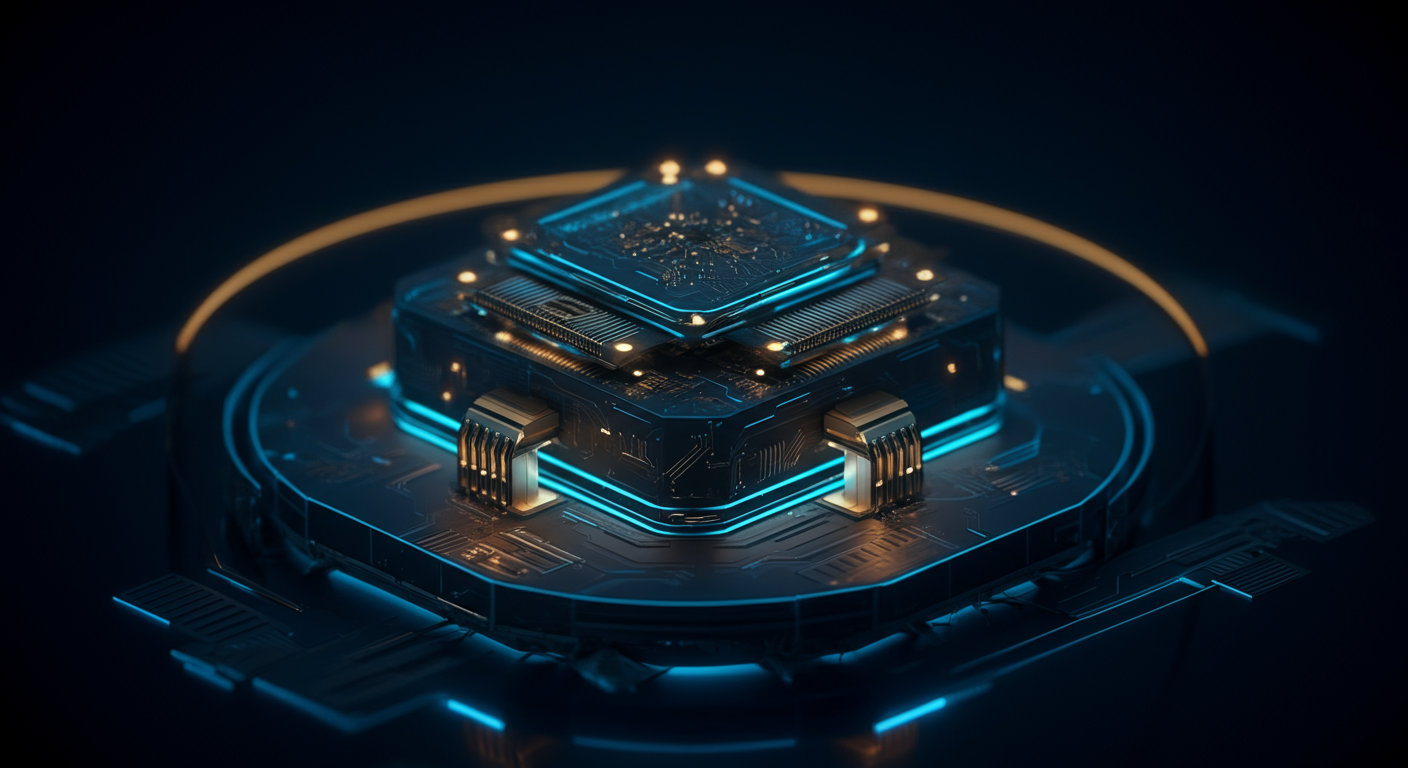
"A modular Windows OS optimized for AI could lead to faster updates, improved security, and better performance."
- Microkernel Architecture: A shift towards a microkernel architecture could isolate core OS functions, making the system more resilient and easier to update.
- AI-Optimized Kernel Modules: Specific kernel modules could be optimized for AI workloads, potentially leveraging specialized hardware like NPUs (Neural Processing Units).
- Long-Tail Implications: A modular OS could foster a vibrant ecosystem of third-party AI agents and services, expanding the functionality of Windows in unexpected ways.
One of the most profound shifts in Windows will be the integration of autonomous AI agents directly into the operating system's core.
AI-Powered Task Automation
Forget clunky scripts; AI agents will automate tasks with unprecedented flexibility. Imagine:- Agent-driven workflows: Agents monitor your actions, learning patterns to automate repetitive tasks. For example, an agent could automatically categorize and file your expense reports based on learned rules, freeing you from tedious bookkeeping. Think of it as having a Pokee AI for your Windows OS, a compact AI companion that follows your work habits.
- AI-powered task automation: Need to prepare a presentation on a competitor? An agent could gather relevant data, create an outline, and even draft initial slides, all based on your preferences and past work. This is enabled by sophisticated integrations using tools like Langchain to chain together task automation steps.
Revolutionizing Application Development and User Interfaces
AI fundamentally alters how we interact with software:- AI-native applications: Developers can build applications with AI agents as core components. Imagine a design tool where an agent assists with creative decisions, suggesting layouts and color palettes based on project goals. These applications will be built using Software Developer Tools specifically tailored for AI.
- Windows UI evolution: The user interface will become more dynamic and personalized. Instead of static menus, imagine an AI-powered interface that anticipates your needs and adapts to your workflow.
Security in an Agent-Driven World
The rise of AI agents necessitates new security paradigms.
- Secure AI agents: Windows will need robust mechanisms to verify the identity and trustworthiness of AI agents. This involves implementing security protocols such as AI Watermarking to track AI provenance.
- Adaptive Threat Detection: Security models will shift from reactive to proactive. AI agents will continuously monitor system activity, identifying and neutralizing threats before they can cause damage. A multi-agent system, similar to Multi-Agent Systems for Cyber Defense: A Proactive Revolution will ensure a robust and secure environment.
It's time to bid farewell to the static, predictable interfaces of yesteryear as AI agents are poised to reshape how we interact with our operating systems.
A Conversational Core
Imagine communicating with your computer less like issuing commands, and more like having a conversation with a Pokee AI, a pocket-sized AI companion. Instead of clicking through menus, you might simply say, "Hey Windows, summarize the key findings from this research paper and create a slide deck." Natural language becomes the primary input method.Adaptive and Intuitive Interfaces
"The best interface is no interface." – Albert (circa 2025)
- Personalized agents: These agents will learn your work habits, preferences, and even your communication style.
- Adaptive behavior: The AI will anticipate your needs, proactively offering assistance and streamlining tasks. Imagine your coding assistant, learning not only syntax, but also your personal coding style through tools like GitHub Copilot.
- Beyond simple tasks: Autonomous agents will also handle complex processes, managing your calendar, prioritizing emails, and even negotiating deadlines.
New Interaction Paradigms
- Voice Input: Ubiquitous, accurate speech recognition will make voice commands seamless and reliable.
- Gesture Control: Integrate hand gestures for intuitive manipulation of digital objects.
- Biometric Authentication: Imagine your OS seamlessly recognizing your presence, adapting settings based on your mood detected from subtle biometric signals.
This shift promises to make technology truly disappear, amplifying human capabilities rather than demanding constant attention.
One significant shift is the agent economy: a world where AI agents autonomously perform tasks.
Implications for Developers: Building for the Agent Economy
To thrive, developers must adapt to this new paradigm. New tools, SDKs, and entirely different design patterns are emerging.
- AI Agent Development Tools: Think of these as the wrenches and screwdrivers for building your autonomous bots.
- AI Agent SDKs: These provide pre-built components and functions to accelerate development, enabling developers to focus on unique agent behaviors rather than low-level infrastructure.
- Ecosystem and Marketplace: Imagine an app store, but for AI agents, with specialized bots offering services like automated marketing or real-time cybersecurity.
Opportunities and Challenges
The agent economy presents huge opportunities:
- Efficiency gains: Automate tedious tasks and free up human developers.
- Innovation: Open doors to create entirely new AI-driven services.
- Scalability: Deploy and manage agents at scale with new management tools.
- Security: Guard against malicious agents and data breaches.
- Ethics: Ensuring agent behavior aligns with human values is critical.
The Rise of AI Agent Marketplaces
AI agent marketplaces will be key to the agent economy.
- Centralized Hubs: Streamlining distribution and making AI agent discovery simple
- Economic Incentives: Providing developers with methods of monetization.
- Ecosystem Growth: Creating competition and continuous innovation.
One unavoidable side effect of increasingly capable AI is the growing need to address potential ethical pitfalls.
The Double-Edged Sword of Autonomy
Autonomous AI agents offer incredible potential for personalized experiences and enhanced efficiency in personal computing, but this power comes with significant ethical baggage. Without careful consideration, we risk creating systems that are opaque, biased, and susceptible to misuse. We need to ensure the benefits of these agents are distributed equitably, and that their actions align with our values.Transparency, Accountability, and Control
- Transparency: How can users understand the reasoning behind an AI agent's decisions? Black boxes are a no-go.
- Accountability: Who is responsible when an AI agent makes a mistake? The developer? The user?
- Control: How much oversight should users have over their AI agents? Are there "kill switches" for when things go awry?
Addressing Bias and Misuse
- AI Bias: AI agents are trained on data, and if that data reflects existing societal biases, the agents will perpetuate and even amplify them. We must strive for responsible AI development to combat this.
- Potential Misuse: Autonomous AI agents could be used for malicious purposes, such as spreading misinformation, manipulating markets, or even engaging in surveillance. The importance of trustworthy AI cannot be overstated.
Towards Responsible AI
The ethical considerations surrounding autonomous AI agents are complex and multifaceted. By focusing on transparency, accountability, and actively mitigating bias, we can navigate these risks and harness the transformative power of AI for good. Now, let’s explore another critical aspect: the changing landscape of user interface design in the age of autonomous AI.
Windows Evolved: How Autonomous AI Agents Are Rewriting the OS
The operating system of the future might not just respond to your commands, but anticipate your needs thanks to autonomous AI agents.
The Future of Windows: A Glimpse into the AI-Powered World
What will Windows look like in a decade dominated by AI? Imagine an OS where autonomous agents proactively manage your digital life. Instead of manually organizing files, AI agents categorize and prioritize documents based on context. Think of it as having a digital assistant deeply integrated into the operating system itself.
Transforming Personal Computing
AI agents aren't just for file management, consider other areas like:
- Email: Intelligent agents could automatically filter spam, summarize important messages, and even draft responses based on your communication style.
- Task Management: Imagine AI that not only schedules tasks but also dynamically adjusts them based on real-time priorities and deadlines, learning from your work patterns.
- Security: Proactive security agents could detect and neutralize threats before they impact your system, learning and adapting to new attack vectors. Take for instance, how multi-agent systems could work together to defend against cyberattacks.
Challenges and Opportunities
While the possibilities are vast, the transition won't be without its challenges:
- Privacy Concerns: Giving AI agents deep access to your data raises questions about privacy and security.
- Ethical Considerations: Ensuring fairness and transparency in AI decision-making is crucial to avoid bias and discrimination.
- Skills Gap: Developing the necessary talent to build and maintain these complex AI systems will require significant investment in education and training. Perhaps resources like the AI glossary could help bridge the gap.
Keywords
AI agents, Windows, Microsoft, Autonomous AI, Operating System, Agent-centric computing, AI-first OS, Windows architecture, AI-powered applications, Agent economy, Ethical AI, AI agent user interface, AI agent SDK, Personalized AI assistants
Hashtags
#AIAgents #WindowsAI #AutonomousAI #AgentComputing #FutureofWindows
Recommended AI tools

ChatGPT
Conversational AI
AI research, productivity, and conversation—smarter thinking, deeper insights.

Perplexity
Search & Discovery
Clear answers from reliable sources, powered by AI.

Claude
Conversational AI
Your trusted AI collaborator for coding, research, productivity, and enterprise challenges

OpenClaw AI Agent
Productivity & Collaboration
The AI that actually does things.

Cursor
Code Assistance
The AI code editor that understands your entire codebase

DeepSeek
Conversational AI
Efficient open-weight AI models for advanced reasoning and research
About the Author

Written by
Dr. William Bobos
Dr. William Bobos (known as 'Dr. Bob') is a contributor focused on practical AI tool analysis, research context, and clear summaries for builders and decision-makers.
More from Dr.Was this article helpful?
Found outdated info or have suggestions? Send us a note.