SpaceX AI Device vs. OpenAI & Rabbit R1: A Developing Hardware Race
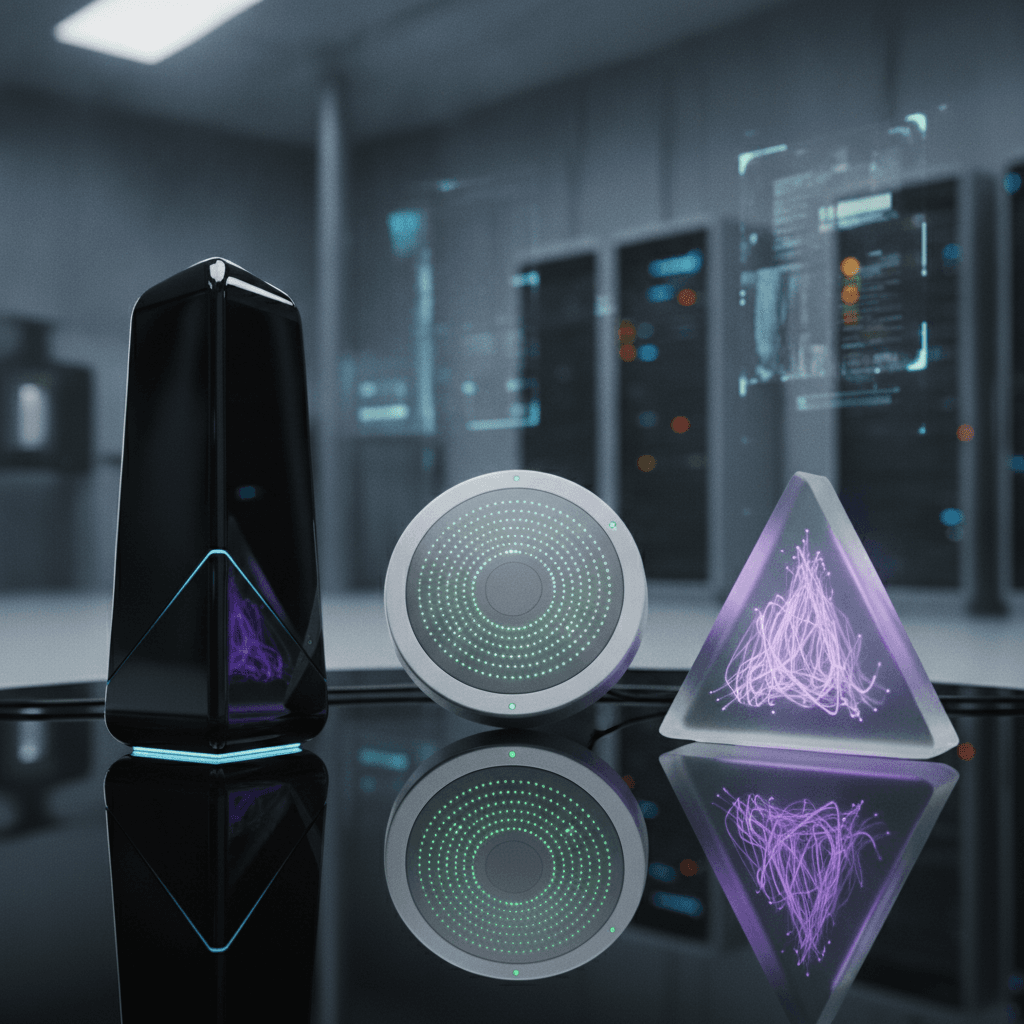
The reported prototype of an AI device from SpaceX, which Elon Musk denies, introduces a new contender in the burgeoning market for dedicated AI hardware, directly challenging devices like the Rabbit R1 and the rumored OpenAI device. This comparison explores the reported design and operational claims of the SpaceX prototype against its potential rivals and the broader challenges faced by companies like Humane and Rabbit in this product category. For broader context, explore our Top 100 AI Tools.
Defining the Contenders and Decision Criteria
The landscape of AI-centric hardware is still taking shape, with various approaches to integrating artificial intelligence into physical devices. For this comparison, we consider the reported SpaceX prototype, the established iPhone as a benchmark for traditional smartphones, the dedicated AI gadget Rabbit R1, and the anticipated AI device from OpenAI in collaboration with Jony Ive. The primary decision criteria for evaluating these devices revolve around their form factor, operating system, integration with AI technology, and the strategic positioning of their creators.
SpaceX's Reported AI Device
The alleged SpaceX prototype is described as having a sleeker and slimmer design than an iPhone. Its form factor reportedly sits between a small smartphone and a dedicated AI gadget such as the Rabbit R1. Crucially, it is said to operate on a proprietary operating system that integrates technology from xAI, another company founded by Elon Musk. SpaceX's existing manufacturing expertise, potential access to advanced chips, and its Starlink Mobile service could provide a foundation for entering the wireless services market with such a device.
OpenAI's Collaborative AI Device
OpenAI, known for its advancements in large language models, is reportedly collaborating with former Apple design chief Jony Ive on its own AI device. While specific details about this device remain scarce, the involvement of Ive suggests a strong emphasis on design and user experience, potentially aiming for a premium market segment. This initiative would place OpenAI in direct competition with any hardware ambitions from Musk's ventures.
Rabbit R1 and Humane AI Pin
The Rabbit R1 is a dedicated AI gadget designed to interact with applications through a large action model (LAM). It represents a distinct category of AI hardware, moving beyond traditional smartphone interfaces. Similarly, Humane launched its AI Pin, another attempt at a dedicated AI device. Both the Rabbit R1 and Humane's offering highlight the challenges and complexities involved in successfully launching and sustaining dedicated AI hardware in a market dominated by versatile smartphones.
Feature Comparison Matrix
| Feature | SpaceX AI Device (Reported) | iPhone (Benchmark) | Rabbit R1 | OpenAI Device (Anticipated) |
|---|---|---|---|---|
| Form Factor | Sleeker & slimmer than iPhone, between small smartphone & dedicated AI gadget | Smartphone | Dedicated AI gadget | Undisclosed (Jony Ive collaboration) |
| Operating System | Proprietary (integrating xAI tech) | iOS | Proprietary (LAM-powered) | Undisclosed |
| AI Integration | xAI technology | Siri, on-device ML | Large Action Model (LAM) | OpenAI's AI models |
| Wireless Service Entry | Potential via Starlink Mobile | Established | Requires smartphone tethering | Undisclosed |
Strengths, Limitations, and Use Cases
SpaceX AI Device (Reported)
- Strengths: Potential for deep integration with xAI's technology, leveraging SpaceX's manufacturing capabilities and Starlink Mobile for connectivity. The reported form factor suggests a balance between portability and functionality.
- Limitations: The existence of the device is denied by Musk, making its future uncertain. Entering the crowded hardware market is challenging, as demonstrated by other dedicated AI devices.
- Best-Fit Use Cases: Potentially for users seeking a highly integrated AI experience tied to xAI's ecosystem, especially those within the Starlink network.
OpenAI's AI Device
- Strengths: Collaboration with Jony Ive suggests a focus on premium design and user experience. Direct integration with OpenAI's advanced AI models could offer unique capabilities.
- Limitations: Details are scarce, and the success of dedicated AI hardware is not guaranteed.
- Best-Fit Use Cases: Likely targeting users who prioritize cutting-edge AI capabilities and premium design in a dedicated form factor.
Rabbit R1
- Strengths: Focus on a unique Large Action Model (LAM) for interacting with apps, aiming to simplify complex tasks.
- Limitations: Faces the challenge of establishing a new product category and proving its value proposition against smartphones.
- Best-Fit Use Cases: Early adopters interested in novel AI interaction paradigms and those seeking a device specifically for task automation.
The Broader Context of AI Hardware
The reported entry of SpaceX into the AI device market, alongside OpenAI's rumored project and the existing efforts from companies like Humane and Rabbit, underscores a significant trend in AI news: the push to move artificial intelligence beyond software and into dedicated hardware. This shift aims to create more seamless, intuitive, and potentially more powerful AI experiences. However, the path is fraught with challenges, including user adoption, manufacturing complexities, and the need to differentiate from the ubiquitous smartphone. The failures of some dedicated AI devices highlight the difficulty of convincing consumers to adopt a new gadget when existing devices already offer many AI-powered features.
Conclusion
The reported SpaceX AI device, despite Elon Musk's denial, illustrates the intensifying competition in the AI hardware sector. While the iPhone remains the dominant smartphone, the emergence of dedicated AI gadgets like the Rabbit R1 and the anticipated devices from OpenAI and potentially SpaceX signal a future where AI is increasingly embedded in specialized hardware. For consumers, the choice will depend on their specific needs: whether they prioritize a versatile smartphone, a dedicated AI assistant for specific tasks, or a device deeply integrated with a particular AI ecosystem. The success of these ventures will ultimately hinge on their ability to offer compelling value propositions that overcome the inherent challenges of introducing new hardware into a mature market.
Sources
Recommended AI tools

Sourcenext
Search & Discovery
Creating products that inspire joy and move the world

Groq
Conversational AI
Fast, low cost inference.

Vast.ai
Search & Discovery
Empowering AI Innovation

Cerebras
Code Assistance
The Fastest AI Accelerator in the Industry

Fooocus
Image Generation
Where Imagination Becomes Reality

昇思MindSpore
Scientific Research
Open AI framework for all scenarios
Was this article helpful?
Found outdated info or have suggestions? Send us a note.