AI Tools for Healthcare Providers
Explore 121 curated AI tools for Healthcare Providers, organized around real workflows, selection criteria, and practical adoption risks.
Clinicians balance patient care, documentation, and regulatory tasks. AI healthcare assistants reduce administrative burden, surface clinical insights, and keep teams aligned around quality outcomes.
Healthcare systems face staffing shortages and rising expectations. Ambient scribing, diagnostic support, and population health dashboards free clinicians to focus on patients while safeguarding compliance.


Community leaders
Google Cloud Vertex AI · TurboScribe · MediSphere
Start with your workflow
Pick a task to open an AI-assisted recommendation prompt, then compare tools once you have a shortlist.
Transcribe and summarize patient encounters directl...
Transcribe and summarize patient encounters directly into the EHR with clinician oversight.
Ask AI FinderSurface differential diagnoses, care pathways, and ...
Surface differential diagnoses, care pathways, and drug interaction alerts in real time.
Ask AI FinderMonitor population health trends, readmission risk,...
Monitor population health trends, readmission risk, and quality metrics across cohorts.
Ask AI Finderprior authorization, documentation, and claims appe...
Automate prior authorization, documentation, and claims appeals with audit-ready trails.
Ask AI FinderShowing 12 of 121 AI tools for Healthcare Providers
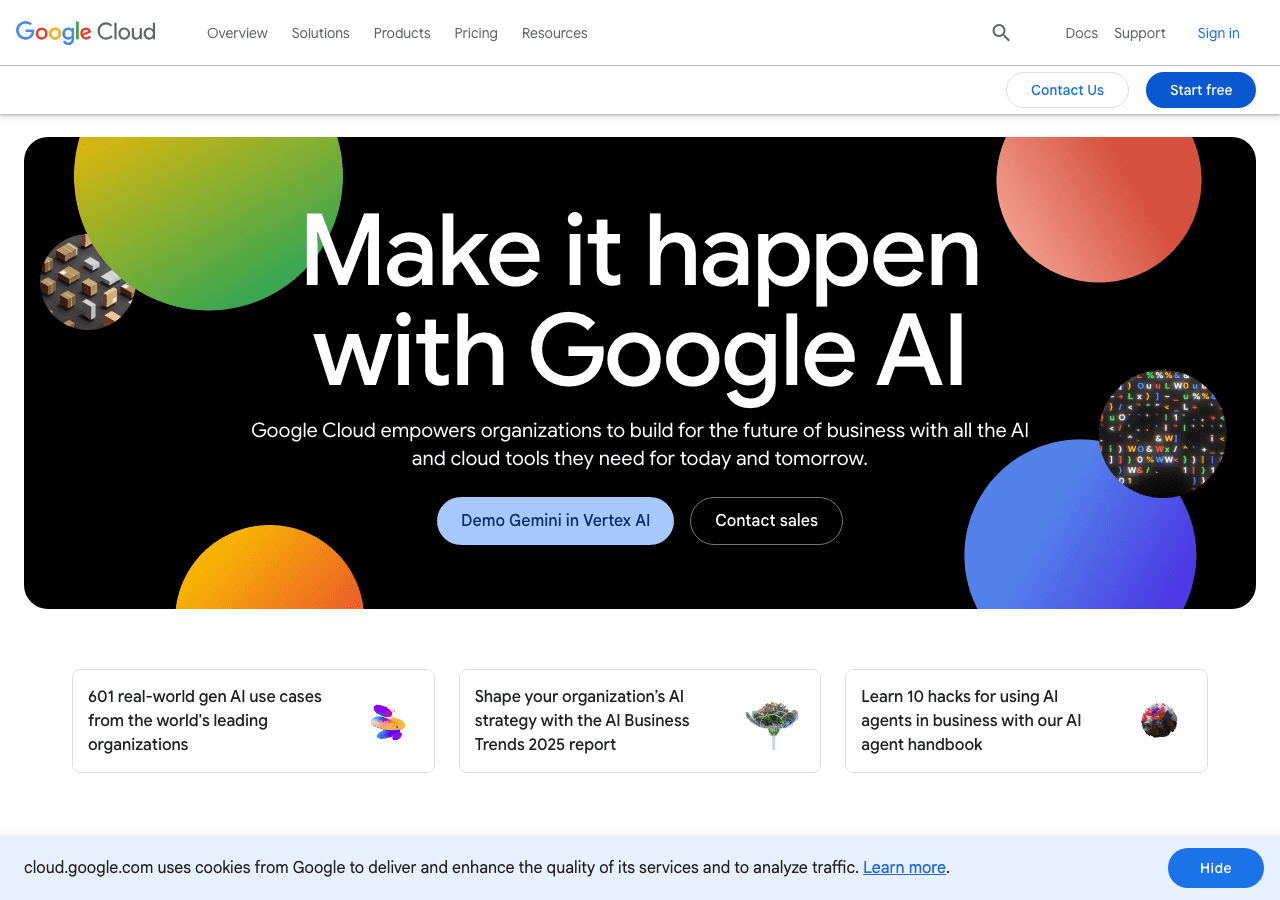
Gemini, Vertex AI, and AI infrastructure—everything you need to build and scale enterprise AI on Google Cloud.
Google Cloud AI is the integrated AI portfolio on Google Cloud that brings together Gemini models, Vertex AI, AI infrastructure, and AI-powered applications. It offers access to Google’s latest Gemini family and other proprietary, third‑party, and open‑source models via Vertex AI, tools like Vertex AI Studio and Agent Builder for building agents and apps, Model Garden and extensions for real‑time data and actions, enterprise‑grade MLOps, security and governance, and high‑performance GPU, TPU, and custom AI chips to run multimodal AI (text, image, video, audio, code) at scale across the cloud.
TurboScribe
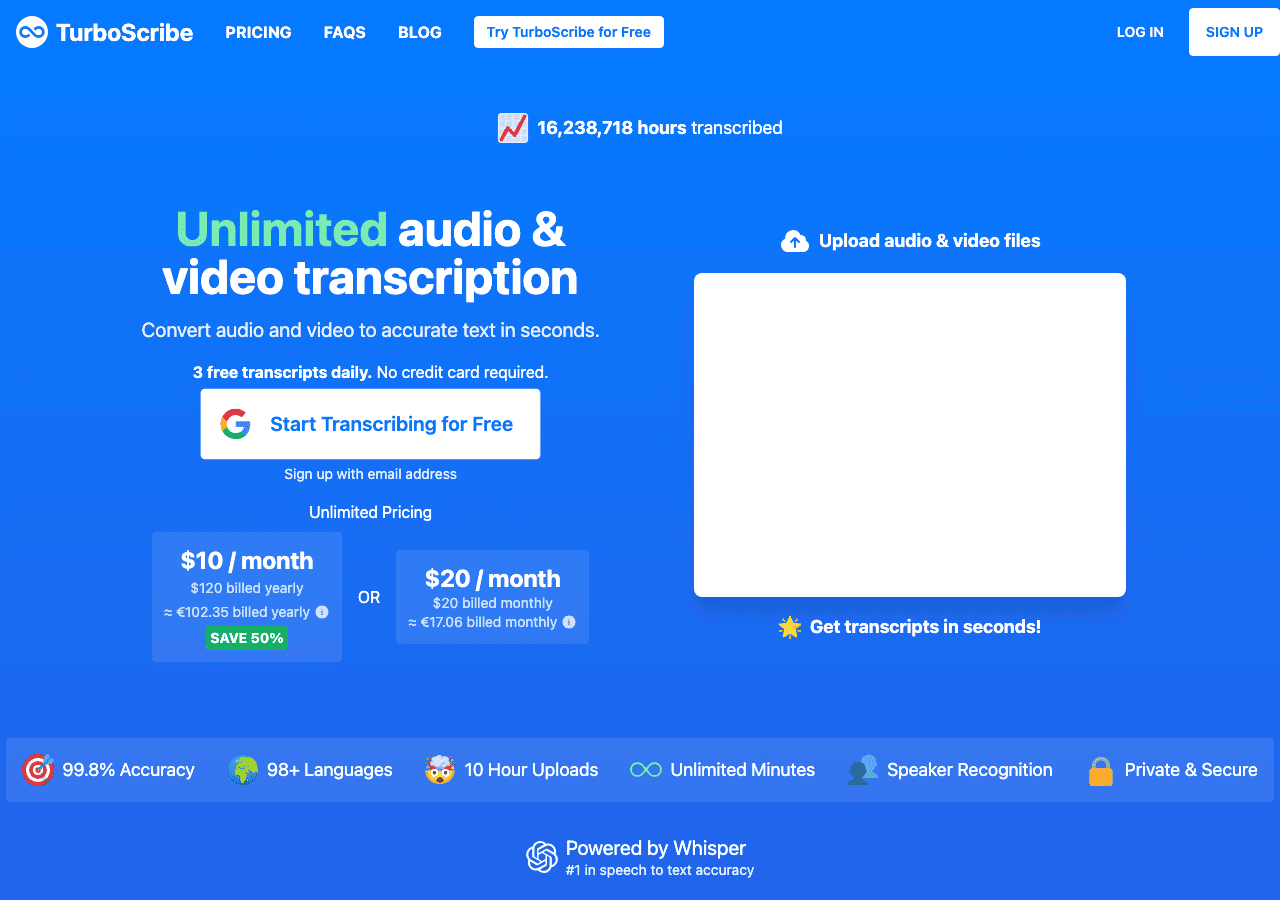
Unlimited transcription at turbo speed—accurate, effortless, in 98+ languages
TurboScribe is an AI-powered transcription platform offering unlimited, high-accuracy (99%+) conversion of audio and video files to text in 98+ languages (up to 10 hours or 5GB per file), powered by OpenAI Whisper. Key features include speaker identification, timestamps, batch uploads (up to 50 files), audio restoration for poor quality recordings, instant translation into 134+ languages, built-in ChatGPT integration for summarization and content creation, and export in TXT, PDF, DOCX, SRT, VTT, and CSV formats.[3][4][5][6][8]
MediSphere
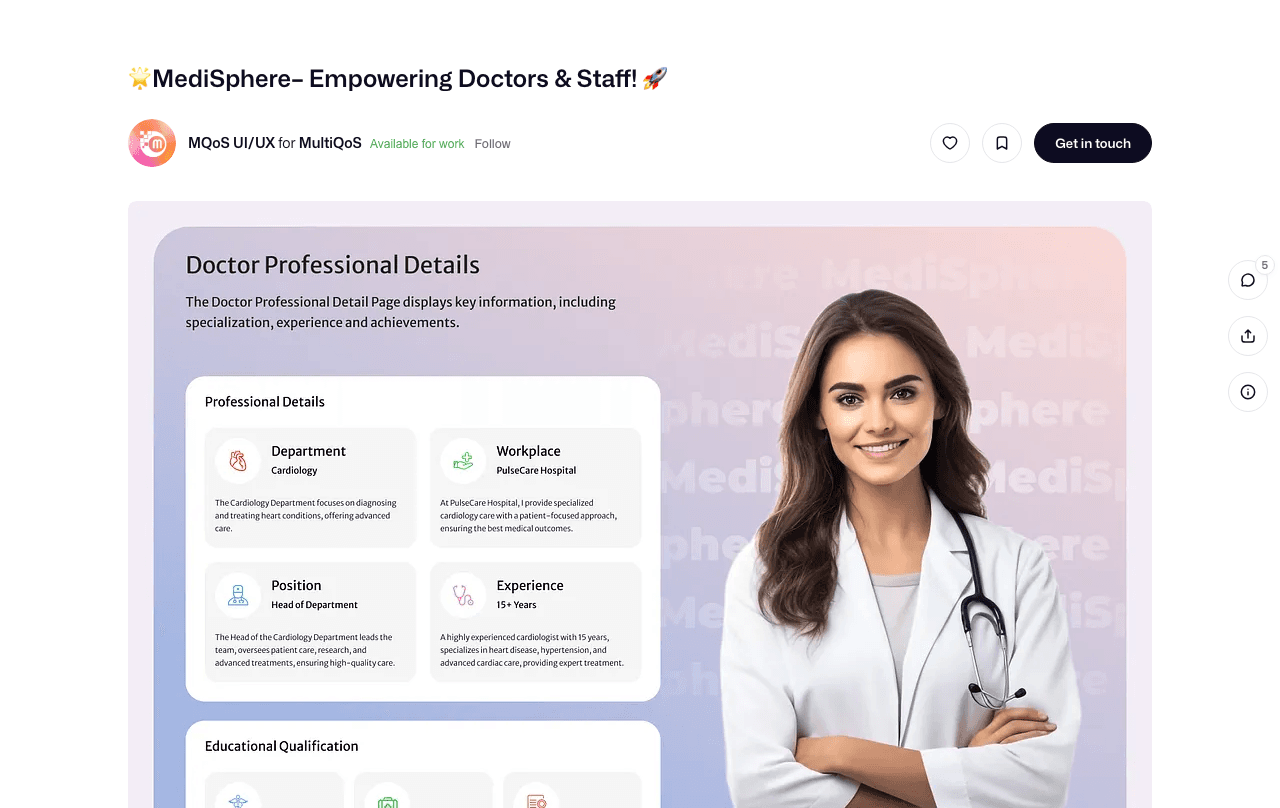
Intelligent Healthcare Management for Doctors & Staff
MediSphere is a conceptual AI-driven healthcare management platform from Dribbble, designed to streamline clinical and administrative workflows for doctors and staff via unified dashboards for appointment scheduling, patient data management, personnel coordination, and real-time monitoring. Key features include AI-powered diagnostics support (ML, NLP, computer vision), automated report generation, virtual assistants, and integrated analytics with an intuitive, design-forward interface.
AlphaFold
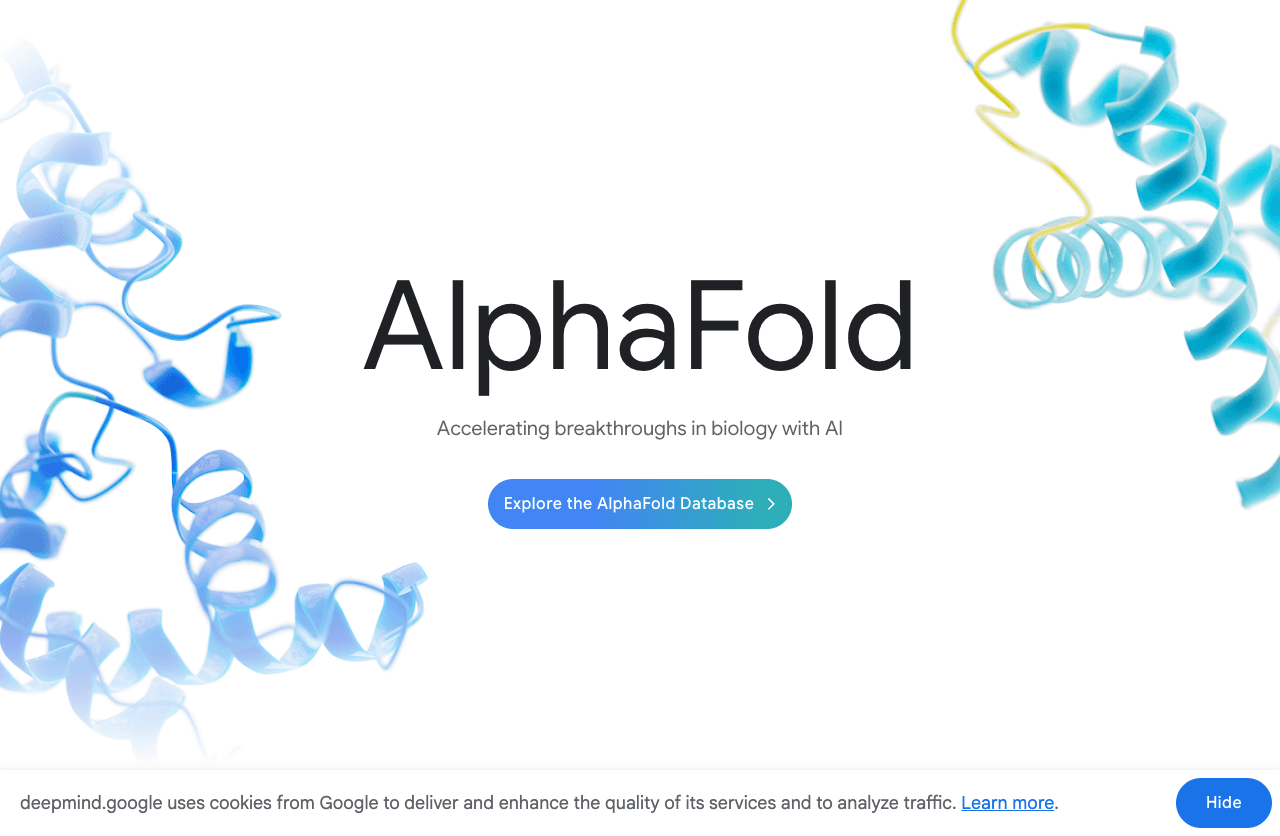
Predicting molecular structures and interactions to unlock the mysteries of life.
AlphaFold is an AI system developed by Google DeepMind that predicts three-dimensional structures of proteins and diverse biomolecules—including ligands, nucleic acids, ions, and post-translational modifications—and their interactions from sequences with atomic accuracy. Through partnership with EMBL-EBI, AlphaFold powers an open-access Protein Structure Database containing over 200 million predicted structures. The latest version, AlphaFold 3, advances biological and medical research globally by making these insights freely available via AlphaFold Server.
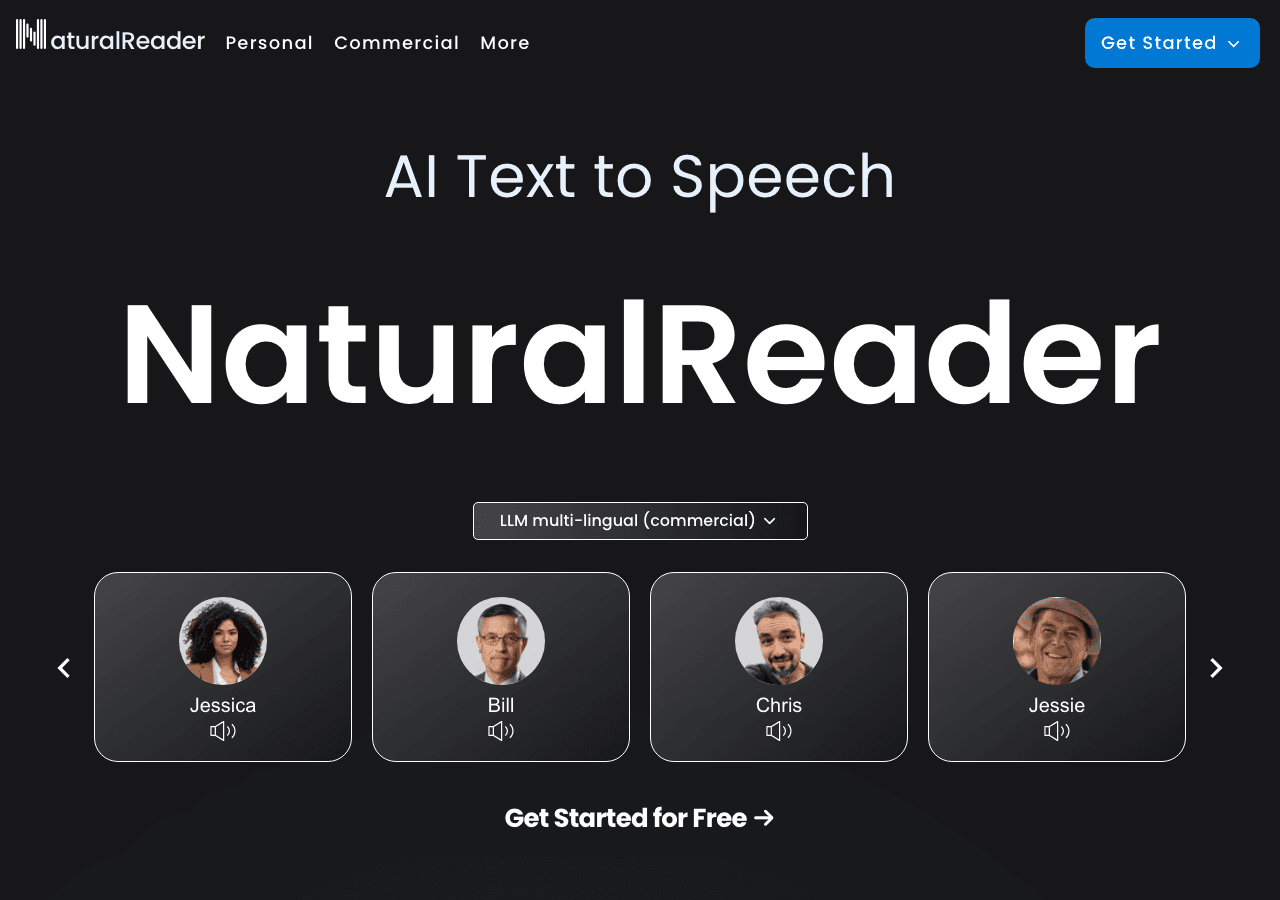
Read anything, hear everything
NaturalReader is a versatile text-to-speech software and mobile app that converts various types of written content—including PDFs, Word documents, web pages, eBooks, and images—into natural-sounding audio using over 1000 AI-powered voices in 100+ languages. Key features include OCR for scanned documents and images, pronunciation editor, MP3 audio export, browser extensions, cross-platform compatibility (Windows, Mac, Web, Mobile), speed and pitch controls, AI-powered text filtering, accessibility functions for dyslexia-friendly reading, built-in dictionary, and voice cloning capabilities. Premium tiers offer 250+ voices, 40+ languages, advanced AI script assistant, and commercial licensing options.
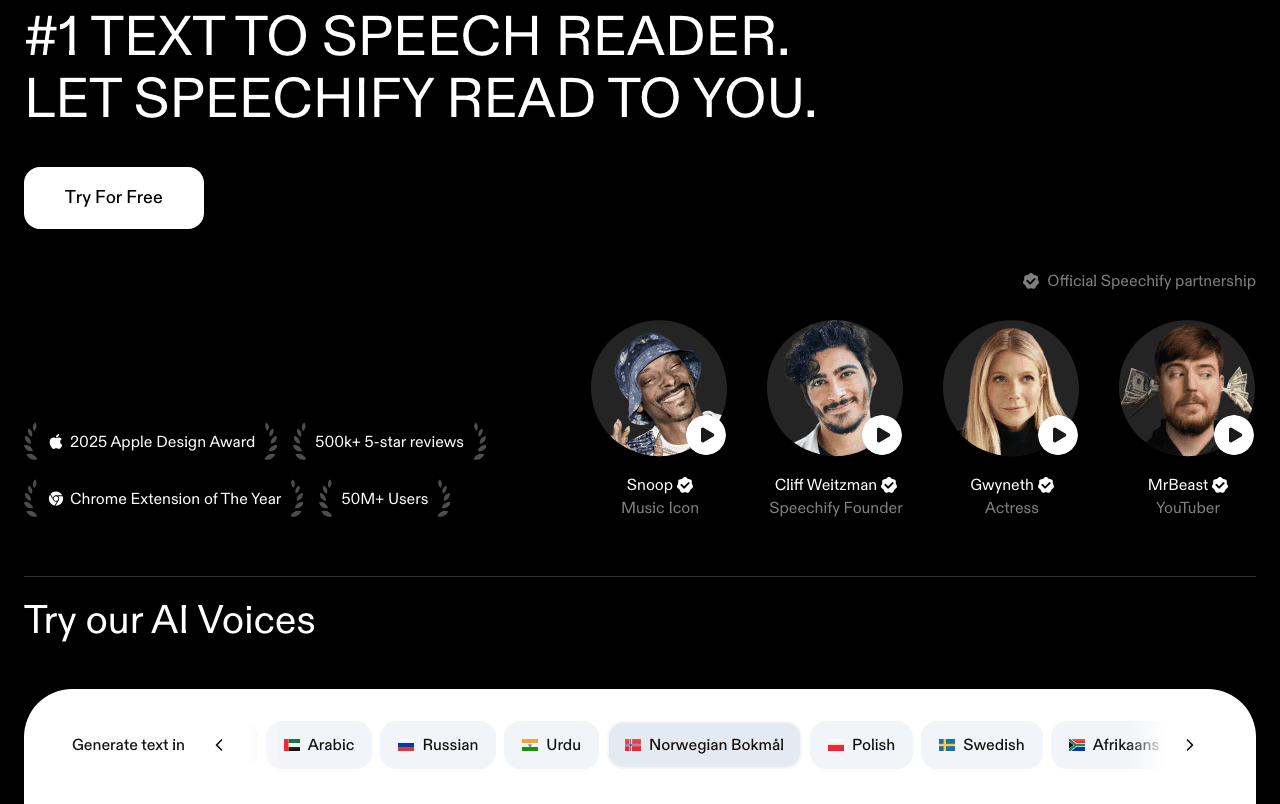
Speechify
Read, write, and understand anything with AI voices
Speechify is an AI-driven platform combining text-to-speech, speech-to-text, and voice AI assistant capabilities. It converts documents, articles, PDFs, and websites into audio with over 1,000 natural-sounding AI voices in 60+ languages. Features include AI summaries, AI-generated quizzes, voice typing for dictation, AI recaps, note-taking, highlighting, bookmarks, and interactive voice AI chat. Available on mobile apps, web, and browser extensions with synchronized experience across devices. Serves students, professionals, creators, and businesses to enhance accessibility, productivity, and content comprehension.
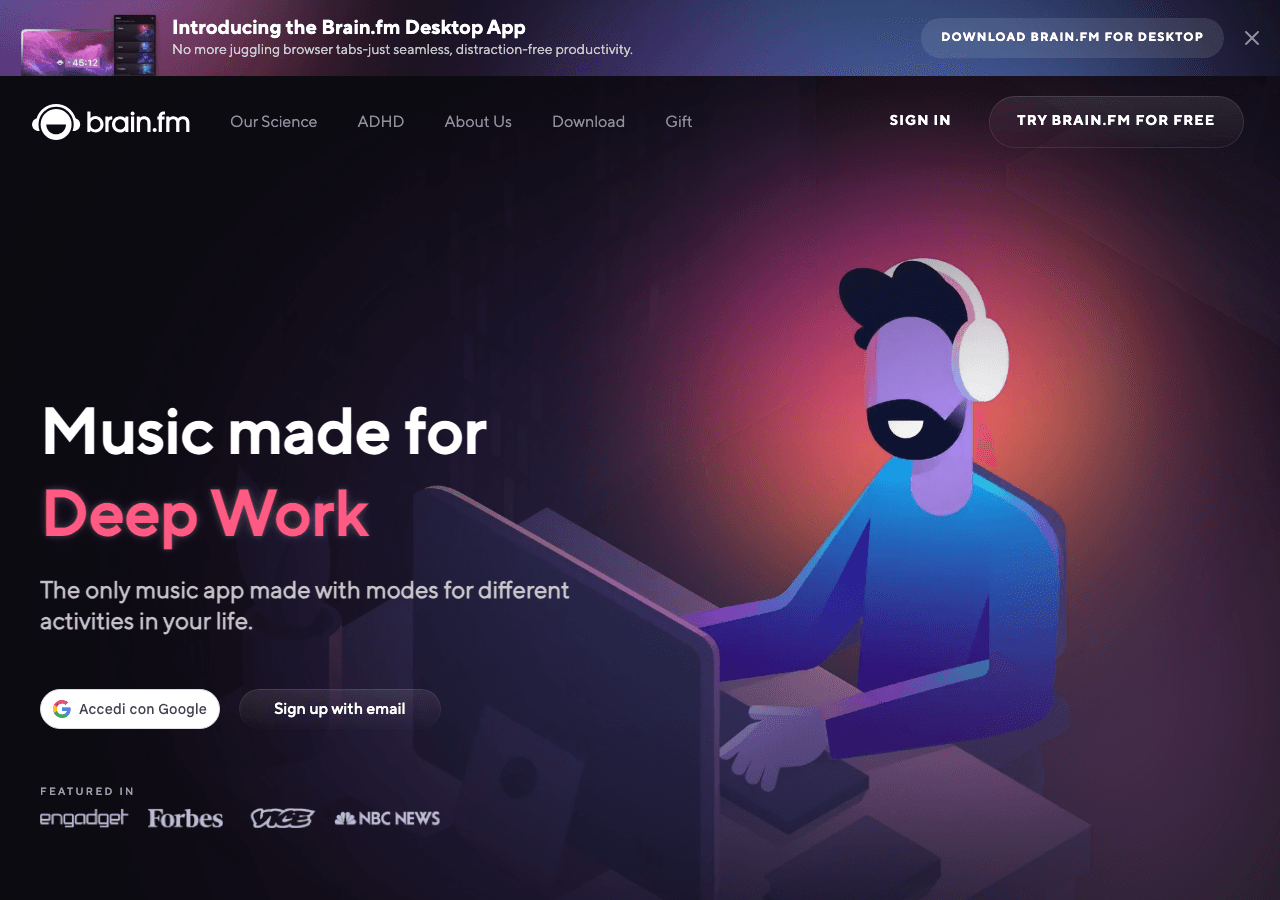
Brain.fm
Music to Focus Better
Brain.fm is a science-backed functional music app engineered with auditory neuroscience to enhance focus, relaxation, meditation, and sleep. It uses patented AI-generated music combined with human composition that syncs with brainwaves through neural phase-locking. The app is funded by the National Science Foundation and features personalized music for different brain types, customizable stimulation levels including a dedicated ADHD mode, and proven effectiveness superior to binaural beats. Available on web, iOS, and Android platforms.
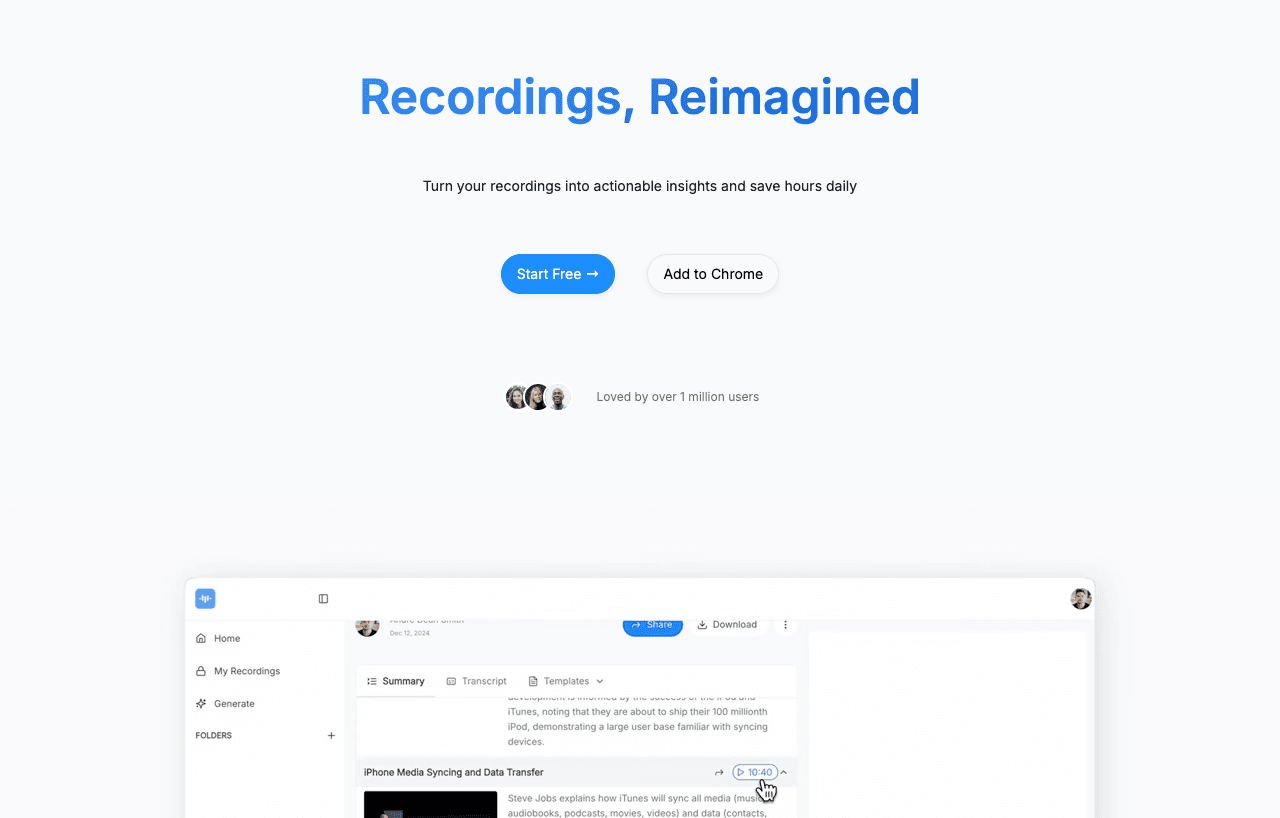
ScreenApp
AI that turns your meetings and screen recordings into searchable knowledge
ScreenApp is an AI-first platform for recording, transcribing, and analyzing meetings, videos, and screen content across web, desktop, and mobile. It combines high-quality screen and meeting recording with automatic transcription, AI note-taking, semantic search, visual and audio content analysis, and instant summaries, turning unstructured video, audio, and images into searchable, reusable documentation and SOPs. With over 300 AI-powered tools for note-taking, documentation, content repurposing, and collaboration, ScreenApp works cross-platform via browser, apps, and extensions, with no complex setup required, and is built for productivity, knowledge management, and team workflows.
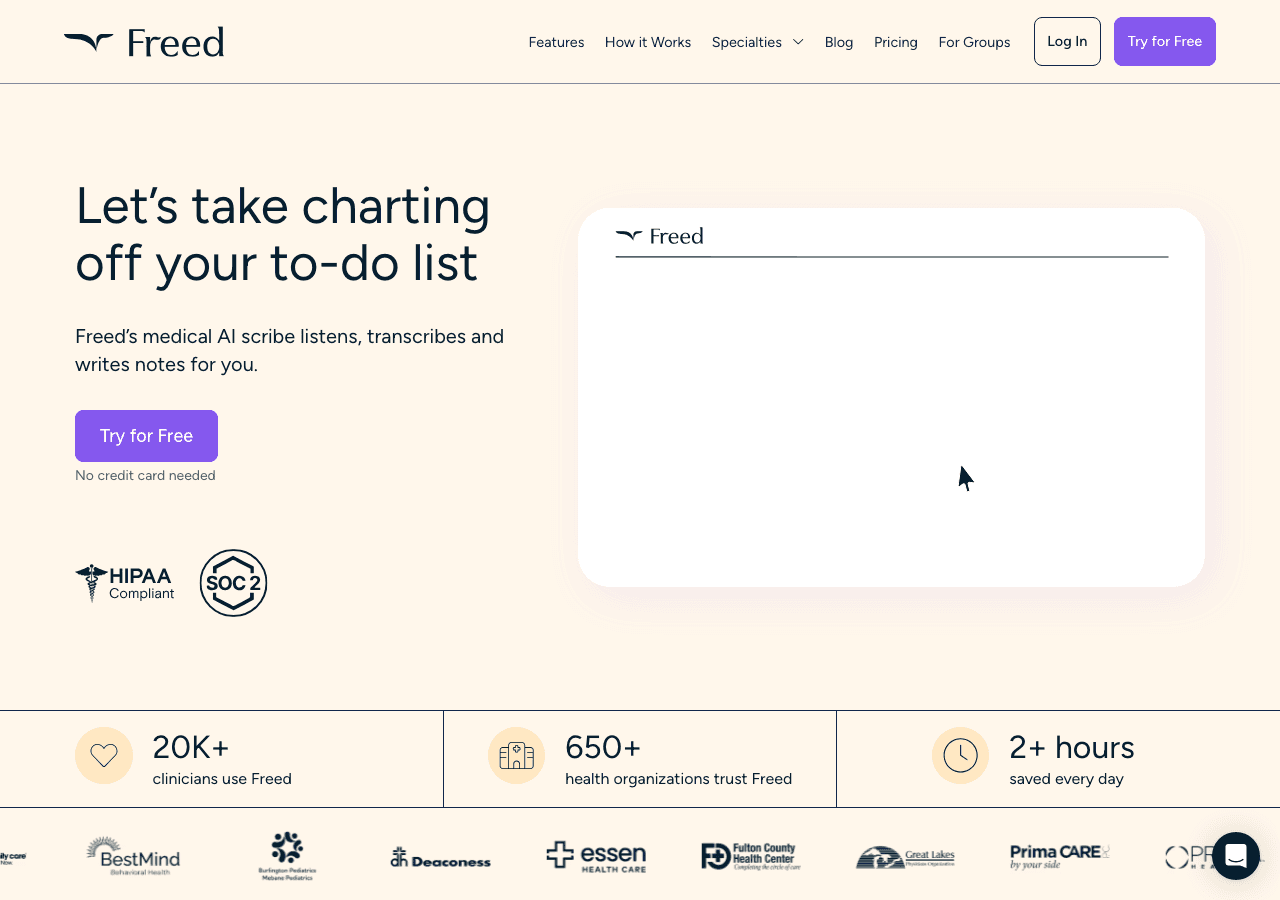
Freed
The AI medical scribe that gives clinicians their time back
Freed is an AI medical scribe that listens to clinician–patient conversations and automatically generates structured clinical documentation, including SOAP and other note formats. It combines clinically trained speech recognition and generative AI to capture medical terminology accurately, summarize visits, prepare follow-up context, and create codes, letters, and patient instructions that can be pushed to EHR systems. Freed is purpose-built for clinicians across specialties, supports 14+ languages, offers customizable and learning templates, and is HIPAA- and HITECH-compliant with SOC 2 certification and strong data privacy controls to reduce charting time and clinician burnout.

Heidi Health
Empowering healthier lives through AI
Heidi supports clinicians across every step of care—from documentation to evidence. Practical AI tools designed to save time, reduce admin, and support better clinical…
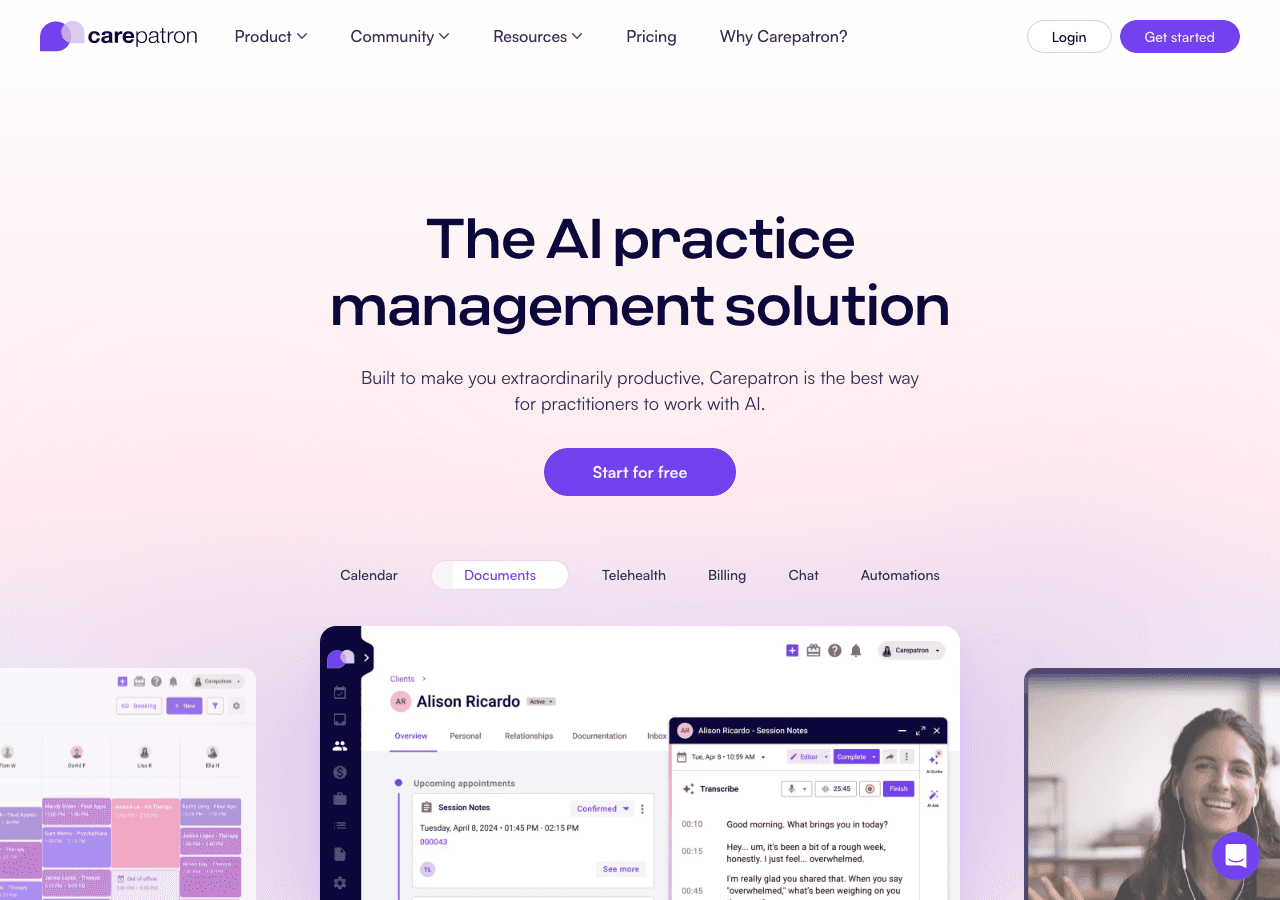
Carepatron
Empowering healthcare professionals
Carepatron is a modern healthcare platform offering EHR and practice management software with features for patient scheduling, telehealth, insurance billing, AI transcription, records management, and collaborative tools, designed to improve accessibility and customization for healthcare professionals globally.
Scale AI
Accelerating AI
Scale delivers proven data, evaluations, and outcomes to AI labs, governments, and the Fortune 500.
Not seeing the right fit for Healthcare Providers?
Describe your exact workflow and let the AI finder suggest tools beyond this shortlist.
FAQ
What are common AI workflows for Healthcare Providers?
Transcribe and summarize patient encounters directly into the EHR with clinician oversight. Surface differential diagnoses, care pathways, and drug interaction alerts in real time. Monitor population health trends, readmission risk, and quality metrics across cohorts. Automate prior authorization, documentation, and claims appeals with audit-ready trails.
How do I choose the right AI tool for Healthcare Providers?
HIPAA compliance, data encryption, and on-prem/VPC deployment options. Integration with major EHR systems (Epic, Cerner, Athena). Explainable AI outputs with clinician override controls. Robust audit logs and governance to satisfy regulators.
Are there free options for Healthcare Providers?
Yes—many vendors offer free tiers or generous trials. Confirm usage limits, export rights, and upgrade triggers so you can scale without hidden costs.
How should I compare pricing for Healthcare Providers tools?
Normalize plans to your usage, including seats, limits, overages, required add-ons, and support tiers. Capture implementation and training costs so your business case reflects the full investment.
What due diligence is essential before choosing tools for Healthcare Providers?
Clinician trust when AI suggests diagnoses or treatments. Choose vendors with peer-reviewed evidence, transparent algorithms, and training tailored to provider workflows. Documentation accuracy in noisy clinical environments. Adopt ambient solutions with speaker separation and consent controls, plus human validation before submission. Maintaining patient privacy when using cloud-based AI. Leverage vendors that support data residency, de-identification, and strict access policies.
How do we roll AI out to the entire healthcare providers team?
Start with ambient documentation pilots in high-volume clinics. Measure time saved and provider satisfaction. Expand to decision support and operational analytics once stakeholders see safety and efficiency gains.
Which metrics prove AI is delivering ROI?
Documentation time reduced per encounter. Provider burnout scores and retention. Clinical quality metrics (readmissions, error rates). Revenue cycle efficiency and denial reductions.
Any advanced strategies once the basics are working?
Combine AI triage with remote monitoring data to intervene early and reduce unnecessary hospitalizations.
High-Impact Workflows You Can Automate Today
- Transcribe and summarize patient encounters directly into the EHR with clinician oversight.
- Surface differential diagnoses, care pathways, and drug interaction alerts in real time.
- Monitor population health trends, readmission risk, and quality metrics across cohorts.
- Automate prior authorization, documentation, and claims appeals with audit-ready trails.
Tool Selection Framework for Healthcare Providers
Use this checklist when evaluating new platforms so every trial aligns with your workflow, governance, and budget realities:
- HIPAA compliance, data encryption, and on-prem/VPC deployment options.
- Integration with major EHR systems (Epic, Cerner, Athena).
- Explainable AI outputs with clinician override controls.
- Robust audit logs and governance to satisfy regulators.
Challenges & Risk Mitigation
Clinician trust when AI suggests diagnoses or treatments.
Documentation accuracy in noisy clinical environments.
Maintaining patient privacy when using cloud-based AI.
Adoption & Change Management Playbook
Start with ambient documentation pilots in high-volume clinics. Measure time saved and provider satisfaction. Expand to decision support and operational analytics once stakeholders see safety and efficiency gains.
Success Metrics to Track
- Documentation time reduced per encounter.
- Provider burnout scores and retention.
- Clinical quality metrics (readmissions, error rates).
- Revenue cycle efficiency and denial reductions.
Collaboration Tips & Advanced Strategies
- Involve compliance, IT, and clinical leadership in vendor selection.
- Train multidisciplinary teams together to align expectations.
- Share wins with patient stories to build momentum for expansion.
Pro move
Combine AI triage with remote monitoring data to intervene early and reduce unnecessary hospitalizations.